
Counseling & Wellness Support
Licensed clinicians provide therapeutic support and work closely with students and families.
Back to School Without the Battle
For some students, anxiety isn't just nerves about the first day. It can make getting to school—and staying there—feel overwhelming or even impossible.
With the right supports, there is a path back.
Based in Cherry Hill, NJ and supporting students in grades 5–12 across Southern New Jersey.
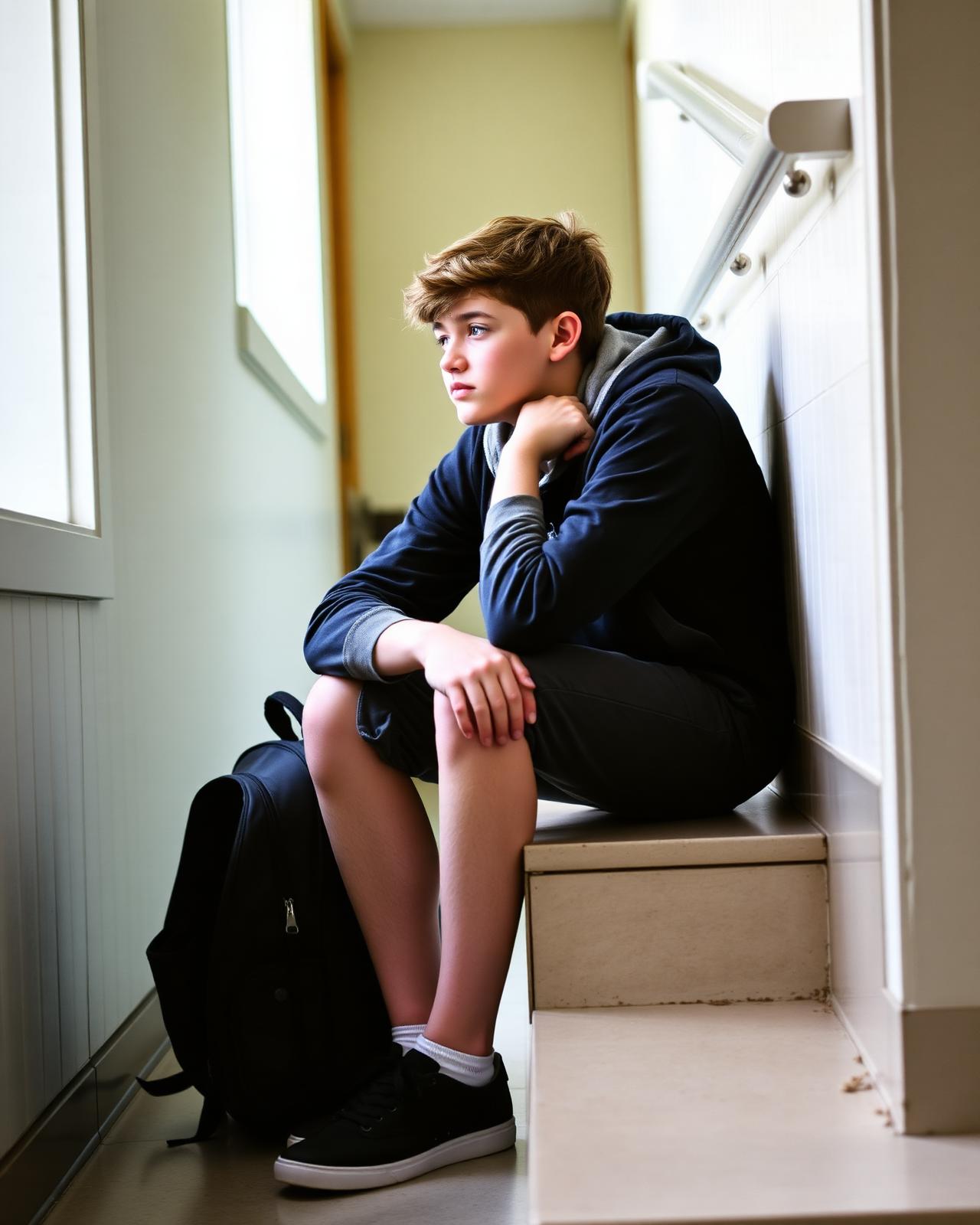
More than first-day nerves. When anxiety or other mental health concerns begin preventing a student from attending school consistently, additional support may be needed.
Recognize
Every student is different, and these signs alone don't tell the whole story. They can, however, be a signal that it's worth a closer look.
Frequent complaints of headaches, stomachaches or feeling sick
Extreme worry about going to school or being away from home
Avoiding school routines or refusing to get ready
Crying, meltdowns or panic before or during school
Missing school or leaving early frequently
If you're seeing these signs, a student may need more than encouragement—they may need additional support.
What support could look likeUnderstand
School refusal can occur when anxiety, emotional distress or other mental health concerns interfere with a student's ability to attend school consistently. It isn't about a student being defiant, and it isn't a failure of a family or a school.
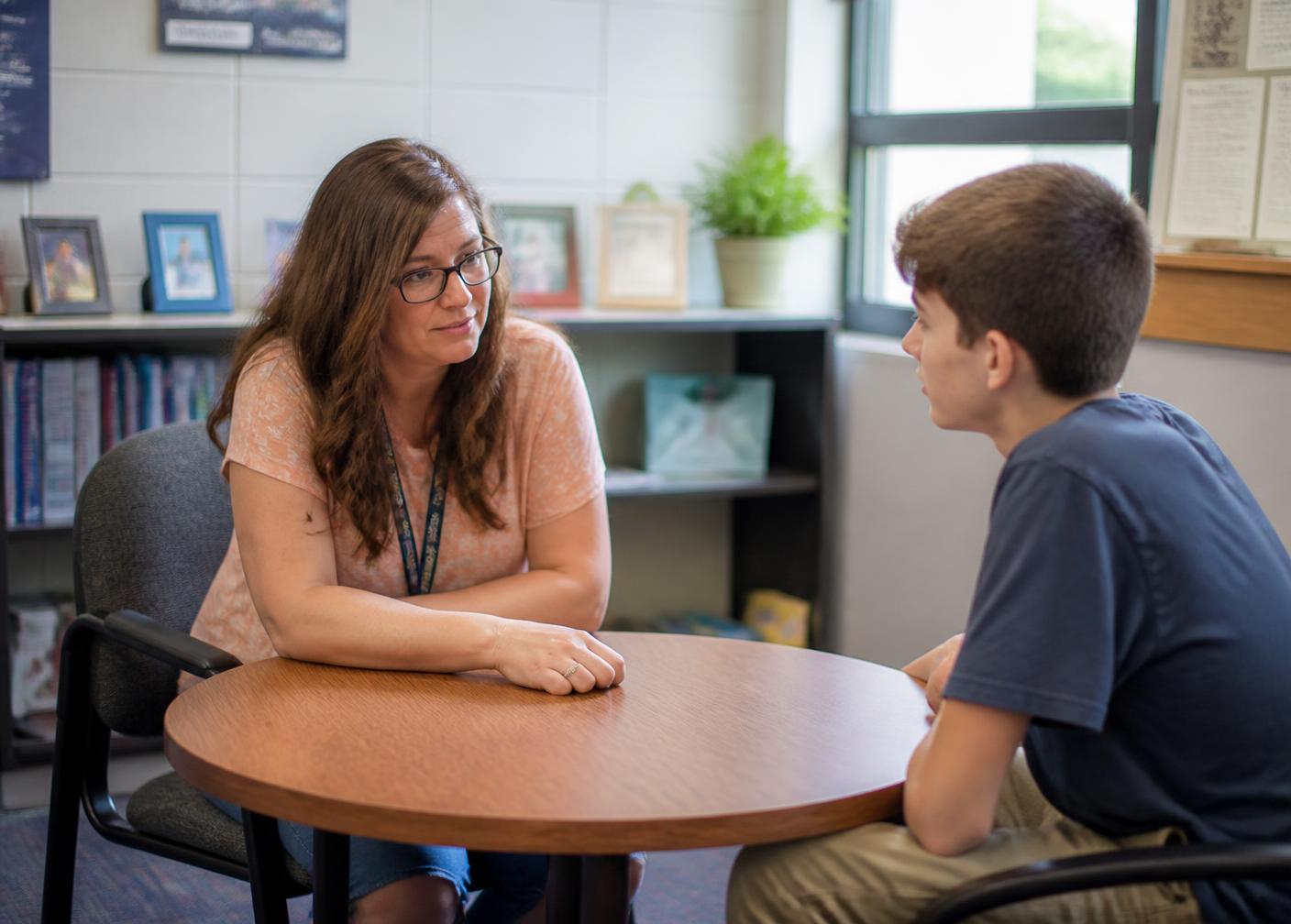
Attending school can feel genuinely overwhelming, and avoidance can bring short-term relief that makes the pattern harder to break.
The longer a student is out of school, the more unfamiliar and difficult returning can feel—academically and socially.
Students, families and school teams are usually all working hard. The challenge is finding the right level of support.
Identifying the need for support early can help create a pathway back before absences become long-term.
First Children Services
The Transitions Program provides a supportive, center-based educational environment for middle and high school students who are unable to attend their public schools consistently because of school refusal, anxiety or other mental health concerns.
The program combines education and therapeutic support while helping students develop the comfort, confidence and coping skills needed to work toward successfully returning to their home districts.

Find Support
Education and therapeutic support work side by side, so a student isn't asked to choose between learning and getting help.
Licensed clinicians provide therapeutic support and work closely with students and families.
A smaller educational environment provides students with increased support.
Academic programming can be individualized to meet student needs.
Students receive individualized assessment and intervention planning.
Counseling is integrated into the program.
Students have opportunities to strengthen social and interpersonal skills.
Planning focuses on helping students progress toward their next educational step.
Transitions clinicians collaborate with families and students' outside providers.
The program also offers:
Honors-level coursesExtended School Year programmingOur goal is to help students feel comfortable and confident while developing the coping skills they need to successfully return to their home districts.
Stabilize
Reconnect
Build Skills
Increase Confidence
Transition
Supported Education is available for students who require enhanced support as they prepare for college and/or employment following their time in the program.
Explore Transitions
A conversation can help determine whether Transitions may be an appropriate option.
Let's Talk About a StudentIs missing significant amounts of school?
Experiences anxiety or distress related to attending school?
Has difficulty entering or remaining in the school building?
Has mental health concerns interfering with regular attendance?
Needs a smaller, more supportive educational environment?
May benefit from integrated counseling and academics?
Needs a structured plan for eventually returning to their district?
If you're a case manager, Child Study Team member, counselor, administrator or other school professional working with a student whose mental health needs are interfering with school attendance, we'd be happy to talk through the situation with you.
Discuss a Student With Our TeamStart a Conversation
Tell us a little about what you're looking for and a member of the First Children Services team will follow up.
Questions? Contact:
csummers@firstchildrenservices.com